Lyocell:A Softer, More Breathable and Smoother Fiber
2023-01-30
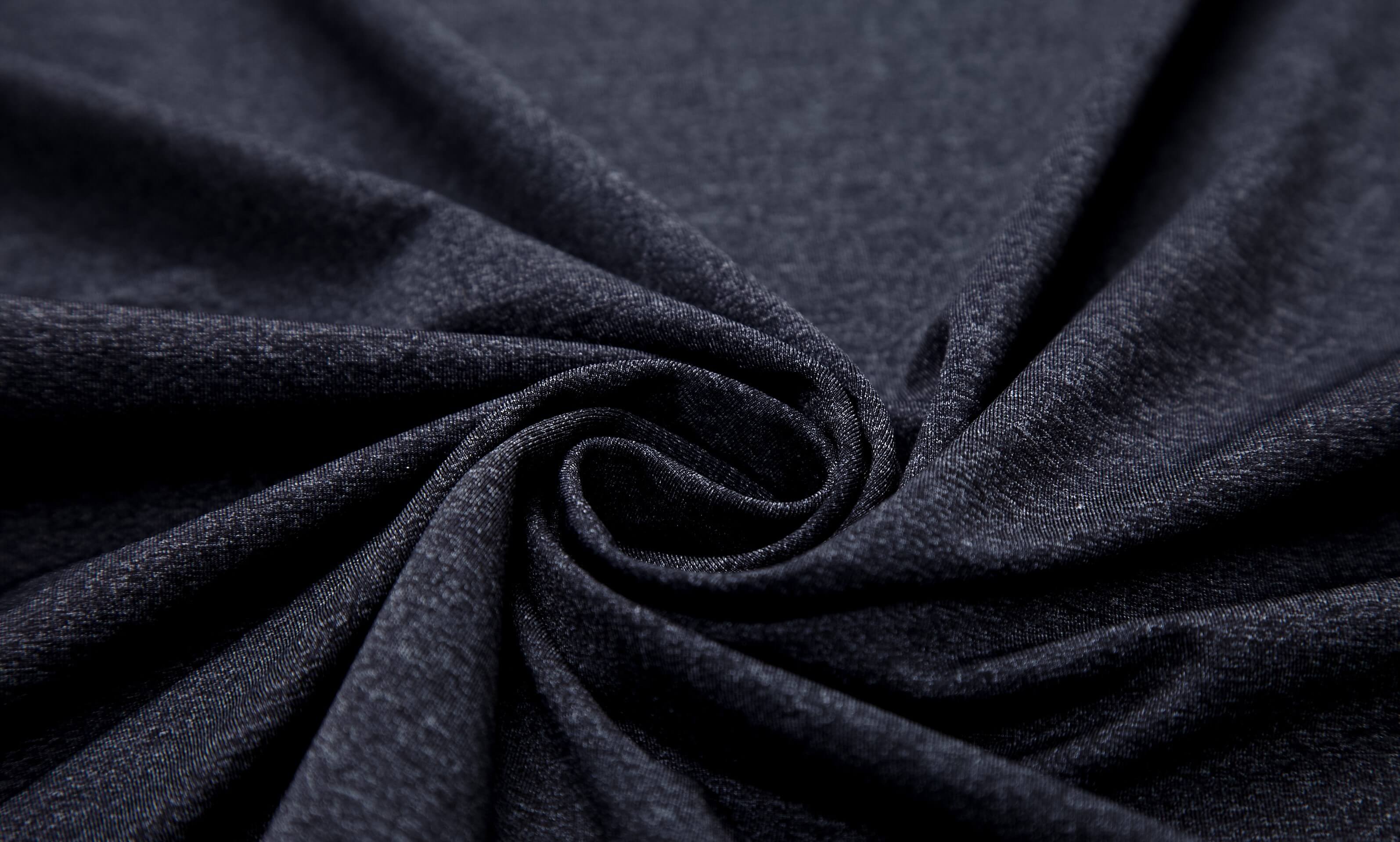
Lyocell,a fiber composed of cellulose precipitated from an organic solution in which no substitution of the hydroxy groups takes place, and no chemical intermediates are formed.
Lyocell shares many properties with other fibers such as cotton, linen, silk, ramie, hemp, and viscose rayon (to which it is very closely related chemically). Lyocell is 50% more absorbent than cotton, and has a longer wicking distance compared to modal fabrics of a similar weave.
Compared to cotton, Lyocell fibers feel softer, and "airier", due to their better ability to wick moisture. Industry claims of higher resistance to wrinkling are as yet unsupported. Lyocell fabric may be machine washed or dry cleaned. It drapes well and may be dyed many colors, needing slightly less dye than cotton to achieve the same depth of color.
The production of lyocell rayon fiber includes lots of steps . Raw cellulose (wood pulp) is mixed with the NMMO solvent and dissolved in NMMO by heating. The formed cellulose solution is called “dope.” A solvent spinning technique (also called dry-jet and wet-spun) is used to press the dope through a spinnerette into a spin bath where regenerated cellulose fiber precipitates as the NMMO solvent is dissolved in the spin bath. The formed cellulose fiber is further processed by water washing, lubricant finishing, drying, and static removing. At this stage, lyocell filament fiber is produced.
To produce lyocell staple fiber, the regenerated cellulose fiber is crimped and cut to a certain staple length for press and packing. During the production of the Lenzing Lyocell® staple fiber, the fiber cutting is done before the washing and finishing steps. The NMMO solvent from the washing unit is recycled through the solvent recovery system where the dilute NMMO solvent is concentrated and then pumped into a mixing tank for dissolving new pulp (Woodings, 1995). In comparison with the method of viscose rayon production, the lyocell fiber spinning process is an environmentally friendly green technology that eliminates toxic chemical use and chemical reactions, and substantially reduces air and water emissions.
Lyocell is used in many everyday fabrics. Staple fibers are used in clothes such as denim, chino, underwear, casual wear, and towels. Filament fibers, which are generally longer and smoother than staple fibers, are used in items that have a silkier appearance such as women's clothing and men's dress shirts. Lyocell may be blended with a variety of other fibers such as silk, cotton, rayon, polyester, linen, nylon, and wool. Lyocell also is used in conveyor belts, specialty papers, and medical dressings.
Lyocell shares many properties with other fibers such as cotton, linen, silk, ramie, hemp, and viscose rayon (to which it is very closely related chemically). Lyocell is 50% more absorbent than cotton, and has a longer wicking distance compared to modal fabrics of a similar weave.
Compared to cotton, Lyocell fibers feel softer, and "airier", due to their better ability to wick moisture. Industry claims of higher resistance to wrinkling are as yet unsupported. Lyocell fabric may be machine washed or dry cleaned. It drapes well and may be dyed many colors, needing slightly less dye than cotton to achieve the same depth of color.
The production of lyocell rayon fiber includes lots of steps . Raw cellulose (wood pulp) is mixed with the NMMO solvent and dissolved in NMMO by heating. The formed cellulose solution is called “dope.” A solvent spinning technique (also called dry-jet and wet-spun) is used to press the dope through a spinnerette into a spin bath where regenerated cellulose fiber precipitates as the NMMO solvent is dissolved in the spin bath. The formed cellulose fiber is further processed by water washing, lubricant finishing, drying, and static removing. At this stage, lyocell filament fiber is produced.
To produce lyocell staple fiber, the regenerated cellulose fiber is crimped and cut to a certain staple length for press and packing. During the production of the Lenzing Lyocell® staple fiber, the fiber cutting is done before the washing and finishing steps. The NMMO solvent from the washing unit is recycled through the solvent recovery system where the dilute NMMO solvent is concentrated and then pumped into a mixing tank for dissolving new pulp (Woodings, 1995). In comparison with the method of viscose rayon production, the lyocell fiber spinning process is an environmentally friendly green technology that eliminates toxic chemical use and chemical reactions, and substantially reduces air and water emissions.
Lyocell is used in many everyday fabrics. Staple fibers are used in clothes such as denim, chino, underwear, casual wear, and towels. Filament fibers, which are generally longer and smoother than staple fibers, are used in items that have a silkier appearance such as women's clothing and men's dress shirts. Lyocell may be blended with a variety of other fibers such as silk, cotton, rayon, polyester, linen, nylon, and wool. Lyocell also is used in conveyor belts, specialty papers, and medical dressings.
Related Articles
 Cashmere: Synonymous with Softness and Comfort 2023-02-01 368
 Fleece fabric analysis 2023-01-03 248
 Viscose fibers 2022-12-23 200
- Introduction to cotton fabric 2022-12-21 165
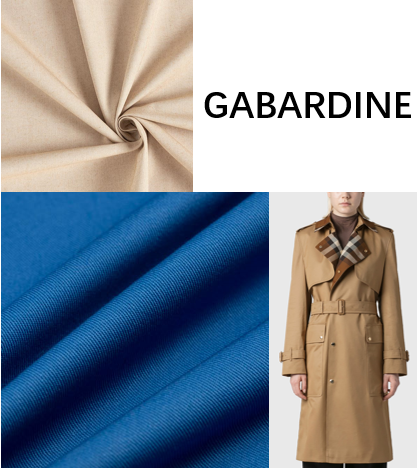 Gabardine: Refined, Compact and Very Resistant Fabric 2022-12-15 180
- The main types of silk fabrics 2022-12-12 209
- Introduction of poplin 2022-11-30 193
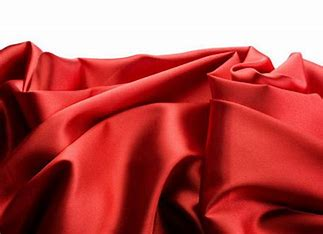 Introduction of taffeta fabric 2022-11-30 169
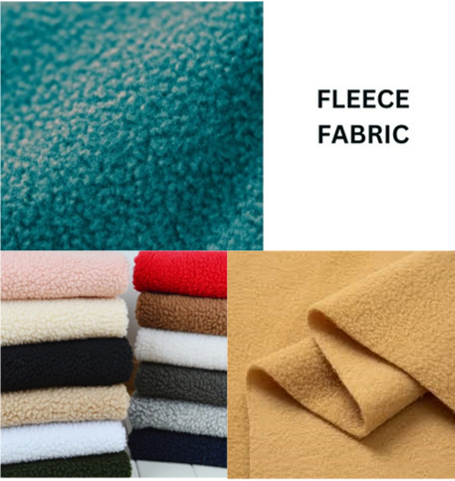 Polar Fleece - A New Winter Trend Fabric in Recent Years 2022-11-30 226
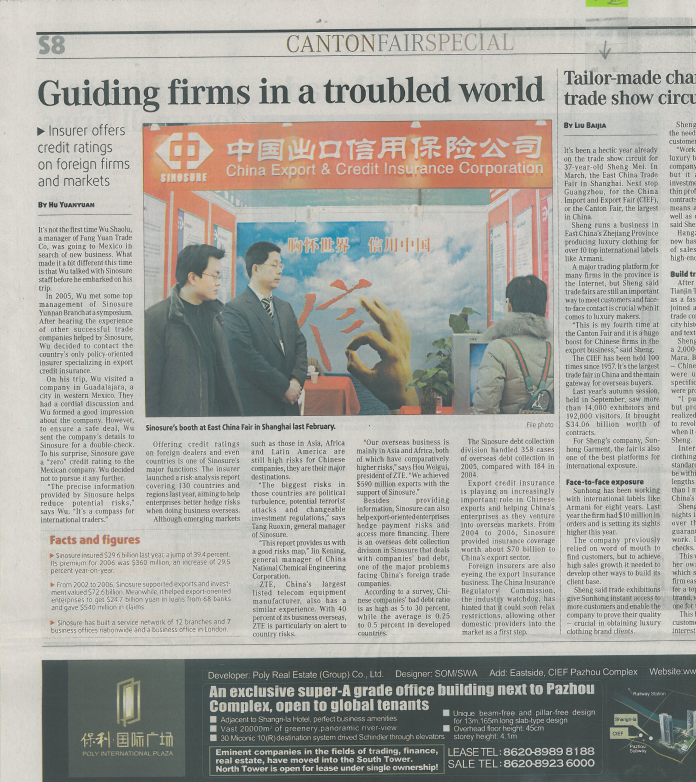 China Daily reported on our company 2022-08-22 192
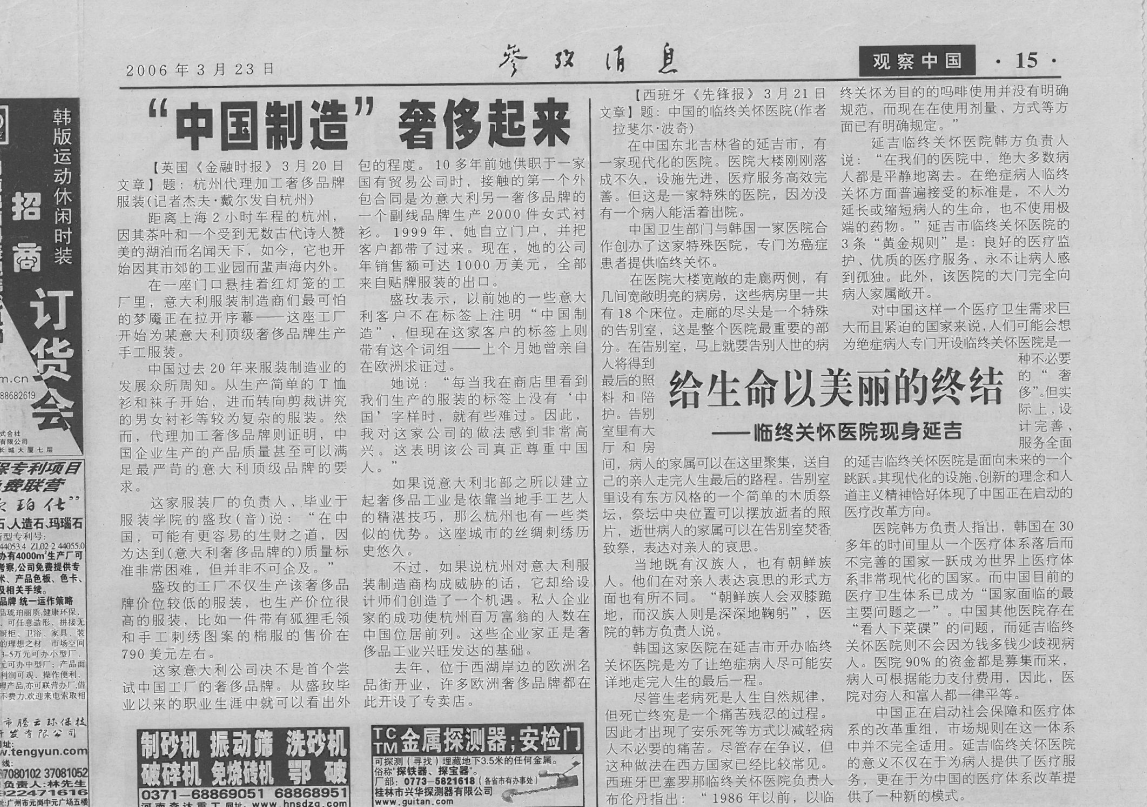 The newspaper with the largest circulation in China and the fifth in the world, "Reference News" reported on our company 2022-08-22 209
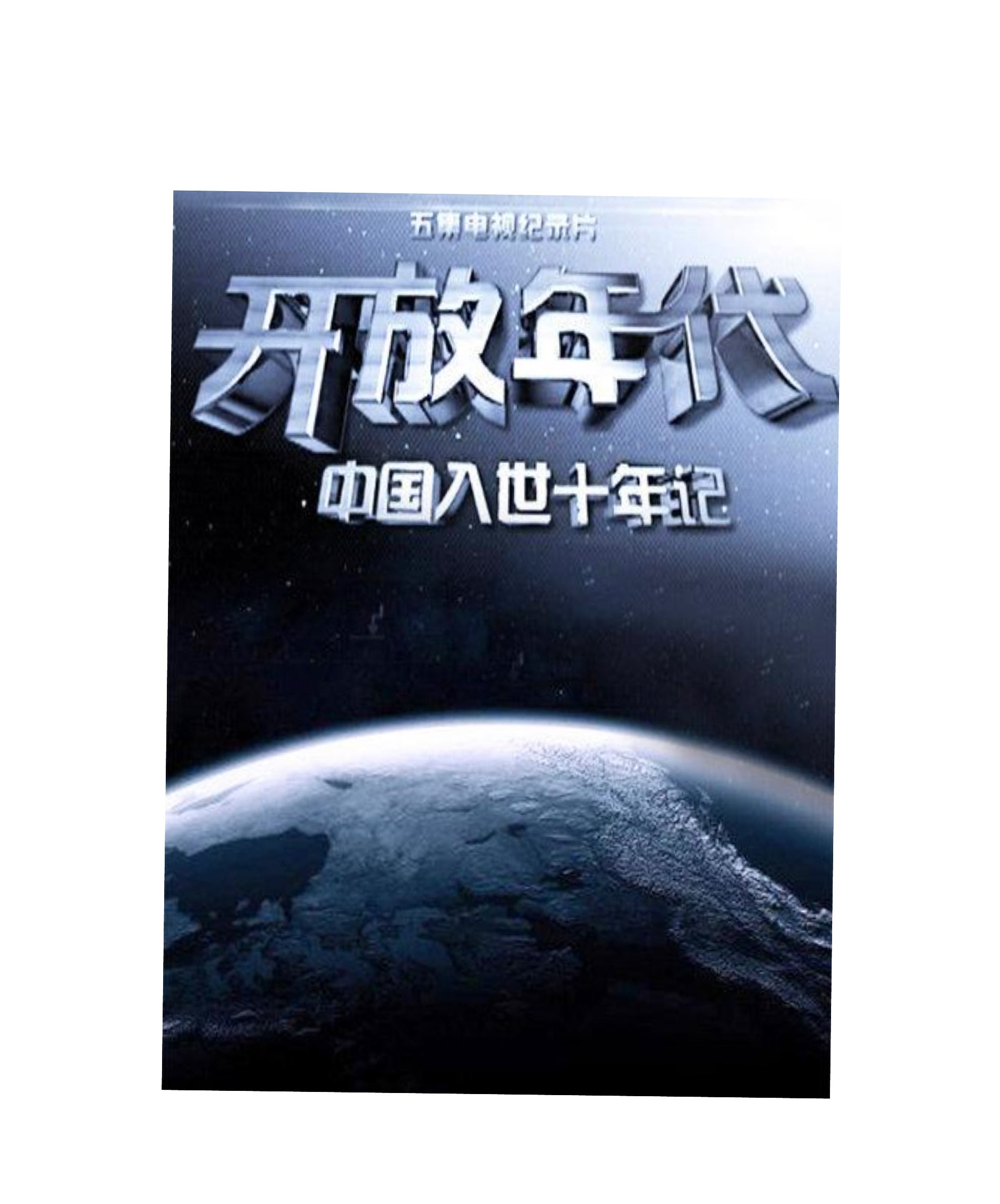 Our company was recorded in <
>, as the only representative of high-end manufacturing of textile and garment in China 2022-06-24 200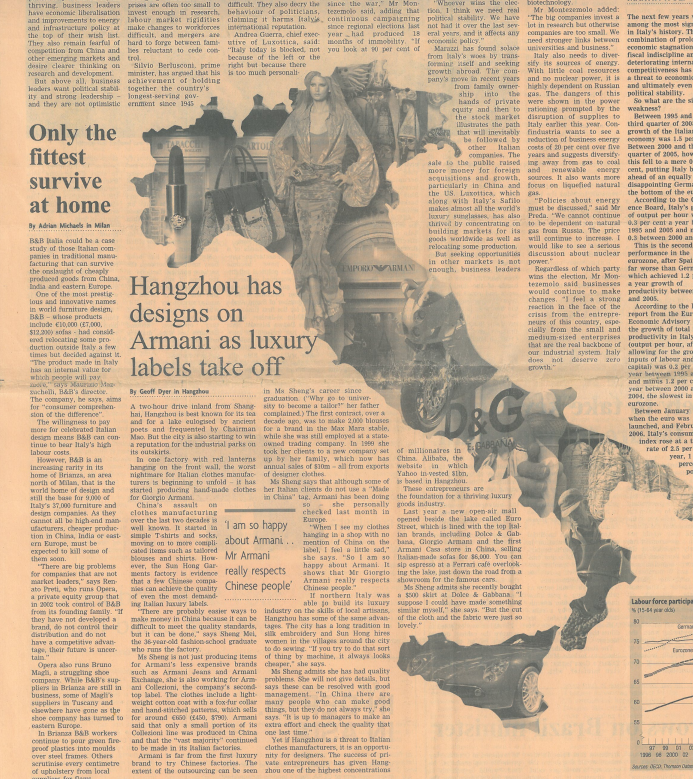 The world's most authoritative financial newspaper, the Financial Times, came to our company for a special report. 2022-06-24 203
