
Viscose fibers
2022-12-23
Viscose fibers are cellulose fibers. It is made of natural fiber (wood fiber, cotton wool) as raw material, through alkalination, aging, sulfonation and other processes to make soluble cellulose xanthan ester, then dissolved in dilute lye to make viscose, and made by wet spinning. Ordinary viscose fiber, high wet modulus viscose fiber and high strength viscose fiber can be obtained by using different raw materials and spinning technology. Ordinary viscose fiber has general physical and mechanical properties and chemical properties, and cotton type, wool type and filament type, commonly known as artificial cotton, artificial wool and rayon. Viscose fiber with high wet modulus has high degree of polymerization, strength and wet modulus. This fiber can bear the load of 22.0cN per unit linear density in the wet state, and the wet elongation under this load is not more than 15%, mainly rich fiber. High strength viscose fiber has high strength and fatigue resistance.
Viscose fiber can be divided into ordinary viscose fiber, high wet modulus viscose fiber, strong viscose fiber and modified viscose fiber. In the strong viscose fiber, the filament with dry strength exceeding 30.0cN/tex is called strong filament; Exceeding 38.0cN/tex is called super strong silk; More than 44.1cN/tex is called two super strong silk; More than 48.5cN/tex called three super strong silk; Those in excess of 53.0cN/tex are called quadruple super strong silk. In the high-performance viscose fiber, the fiber with higher elastic modulus in the wet state is called Polinosik fiber, also known as high wet modulus fiber. In China, it is called Fuqiang fiber, or rich fiber for short. The fiber whose wet modulus is between ordinary fiber and Polinosik fiber, but with higher colluded strength and less brittleness, is called improved high wet modulus fiber.
The crystallinity and orientation of the common viscose fiber is low, the cross section is irregular zigzag, there is an obvious uneven core structure, the cortex is thin. Strong viscose fiber has fine and uniform microcrystalline structure, moderate orientation, uniform cross section, smooth outline of the whole skin structure. Polinosic fiber is a full-core layer structure with higher crystallinity, larger crystal zone size and higher orientation, and its cross section is approximately circular. The main characteristic of Polinosic fiber forming is to avoid degradation of cellulose as much as possible, keep the natural cellulose structure unchanged during dissolution and solidification as much as possible, and adopt moderate and uniform solidification conditions, such as low acid, low salt, low temperature and low spinning speed. The variable high wet modulus fibers belong to the core structure of thick cortex, and the outer edge of cross section is smooth. The cortex provides toughness while the core layer remains rigid. Its toughness is lower than that of strong silk but higher than that of Polinosik, and its rigidity is higher than that of strong silk and lower than that of Polinosik. It is a kind of fiber combining the characteristics of Polinosik and strong silk. The crystallinity, grain size and orientation of the fibers are lower than those of Polinosik, but higher than that of strong fibers. Its forming characteristics are similar to those of strong silk. The cross section shape and thickness distribution of the permanently crimped viscose fiber are asymmetrical, and there are different internal stresses in each part of the transverse drum surface. The characteristics of the process of permanent crimp viscose fiber is to improve the maturity index of viscose, low sulfuric acid concentration in the solidification path, high sodium salate concentration, high bath temperature, appropriate to increase the elongation, especially after the plasticization control stretch and then add a section of air stretching, is conducive to increase the crimp of the fiber.
Viscose staple fiber: (1) viscose cotton type staple fiber, cut length 35~40mm, size 1.1~2.8dtex (1.0~2.5 denier) and cotton blend can be made muslin, veridine, gabardine, etc. (2) viscose wool type staple fiber, cut length 51~76mm, thinning 3.3~6.6dtex (3.0~6.0 dener), can be pure spinning, can also be blended with wool, can be used for tweed, coat cloth, etc. Fuqiang fiber: (1) is an improved viscose fiber variety. (2) pure spinning can be muslin, poplin and so on. (3) Blended with cotton, polyester, etc., producing all kinds of clothing. (4) Good alkali resistance, woven fabric crisp, washing will not shrink and deformation, more durable wear.
Viscose silk: (1) can be made clothing, quilt, bedding and decoration. (2) Viscose silk and cotton yarn interwoven, can be used to make down yarn, thread quilt surface. (3) viscose silk and silk interwoven, can do georgette, brocade and so on. (4) viscose thread and polyester, brocade filament interwoven, can be made crystal color satin, ancient satin and so on.
Viscose silk: (1) strength is twice as high as ordinary viscose silk. (2) Twist woven into cord fabric, used for automobile, tractor, carriage tires.
High crimp and high wet modulus viscose fiber: the fiber has high strength and wet modulus, good crimp performance, fiber performance is close to high-quality long-spun cotton and wool, can replace part of long-staple cotton spinning high-count yarn, replace part of wool for fine and coarse wool spinning. Because the fiber price is cheaper, dyeing performance is good, has certain economic benefits. The ordinary viscose fiber factory can produce the fiber through appropriate technical transformation. The fiber has high strength, wet modulus and good crippability. Its fiber properties are close to those of high quality long-spun cotton and wool. It can replace part of long-staple cotton in high-count yarn spinning and part of wool in fine and coarse wool spinning. Because the fiber price is cheaper, dyeing performance is good, has certain economic benefits. The ordinary viscose fiber factory can produce the fiber through appropriate technical transformation.
Viscose fiber can be divided into ordinary viscose fiber, high wet modulus viscose fiber, strong viscose fiber and modified viscose fiber. In the strong viscose fiber, the filament with dry strength exceeding 30.0cN/tex is called strong filament; Exceeding 38.0cN/tex is called super strong silk; More than 44.1cN/tex is called two super strong silk; More than 48.5cN/tex called three super strong silk; Those in excess of 53.0cN/tex are called quadruple super strong silk. In the high-performance viscose fiber, the fiber with higher elastic modulus in the wet state is called Polinosik fiber, also known as high wet modulus fiber. In China, it is called Fuqiang fiber, or rich fiber for short. The fiber whose wet modulus is between ordinary fiber and Polinosik fiber, but with higher colluded strength and less brittleness, is called improved high wet modulus fiber.
The crystallinity and orientation of the common viscose fiber is low, the cross section is irregular zigzag, there is an obvious uneven core structure, the cortex is thin. Strong viscose fiber has fine and uniform microcrystalline structure, moderate orientation, uniform cross section, smooth outline of the whole skin structure. Polinosic fiber is a full-core layer structure with higher crystallinity, larger crystal zone size and higher orientation, and its cross section is approximately circular. The main characteristic of Polinosic fiber forming is to avoid degradation of cellulose as much as possible, keep the natural cellulose structure unchanged during dissolution and solidification as much as possible, and adopt moderate and uniform solidification conditions, such as low acid, low salt, low temperature and low spinning speed. The variable high wet modulus fibers belong to the core structure of thick cortex, and the outer edge of cross section is smooth. The cortex provides toughness while the core layer remains rigid. Its toughness is lower than that of strong silk but higher than that of Polinosik, and its rigidity is higher than that of strong silk and lower than that of Polinosik. It is a kind of fiber combining the characteristics of Polinosik and strong silk. The crystallinity, grain size and orientation of the fibers are lower than those of Polinosik, but higher than that of strong fibers. Its forming characteristics are similar to those of strong silk. The cross section shape and thickness distribution of the permanently crimped viscose fiber are asymmetrical, and there are different internal stresses in each part of the transverse drum surface. The characteristics of the process of permanent crimp viscose fiber is to improve the maturity index of viscose, low sulfuric acid concentration in the solidification path, high sodium salate concentration, high bath temperature, appropriate to increase the elongation, especially after the plasticization control stretch and then add a section of air stretching, is conducive to increase the crimp of the fiber.
Viscose staple fiber: (1) viscose cotton type staple fiber, cut length 35~40mm, size 1.1~2.8dtex (1.0~2.5 denier) and cotton blend can be made muslin, veridine, gabardine, etc. (2) viscose wool type staple fiber, cut length 51~76mm, thinning 3.3~6.6dtex (3.0~6.0 dener), can be pure spinning, can also be blended with wool, can be used for tweed, coat cloth, etc. Fuqiang fiber: (1) is an improved viscose fiber variety. (2) pure spinning can be muslin, poplin and so on. (3) Blended with cotton, polyester, etc., producing all kinds of clothing. (4) Good alkali resistance, woven fabric crisp, washing will not shrink and deformation, more durable wear.
Viscose silk: (1) can be made clothing, quilt, bedding and decoration. (2) Viscose silk and cotton yarn interwoven, can be used to make down yarn, thread quilt surface. (3) viscose silk and silk interwoven, can do georgette, brocade and so on. (4) viscose thread and polyester, brocade filament interwoven, can be made crystal color satin, ancient satin and so on.
Viscose silk: (1) strength is twice as high as ordinary viscose silk. (2) Twist woven into cord fabric, used for automobile, tractor, carriage tires.
High crimp and high wet modulus viscose fiber: the fiber has high strength and wet modulus, good crimp performance, fiber performance is close to high-quality long-spun cotton and wool, can replace part of long-staple cotton spinning high-count yarn, replace part of wool for fine and coarse wool spinning. Because the fiber price is cheaper, dyeing performance is good, has certain economic benefits. The ordinary viscose fiber factory can produce the fiber through appropriate technical transformation. The fiber has high strength, wet modulus and good crippability. Its fiber properties are close to those of high quality long-spun cotton and wool. It can replace part of long-staple cotton in high-count yarn spinning and part of wool in fine and coarse wool spinning. Because the fiber price is cheaper, dyeing performance is good, has certain economic benefits. The ordinary viscose fiber factory can produce the fiber through appropriate technical transformation.
Related Articles
 Cashmere: Synonymous with Softness and Comfort 2023-02-01 368
 Lyocell:A Softer, More Breathable and Smoother Fiber 2023-01-30 295
 Fleece fabric analysis 2023-01-03 248
 Introduction to cotton fabric 2022-12-21 165
 Gabardine: Refined, Compact and Very Resistant Fabric 2022-12-15 180
- The main types of silk fabrics 2022-12-12 209
- Introduction of poplin 2022-11-30 193
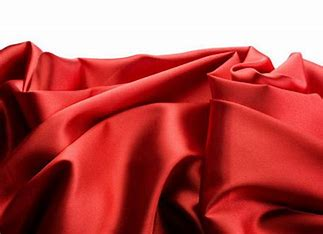 Introduction of taffeta fabric 2022-11-30 169
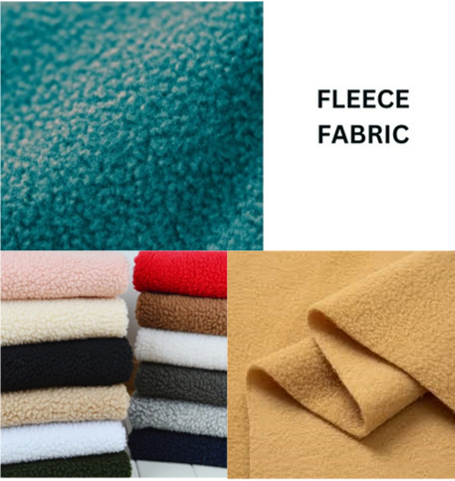 Polar Fleece - A New Winter Trend Fabric in Recent Years 2022-11-30 226
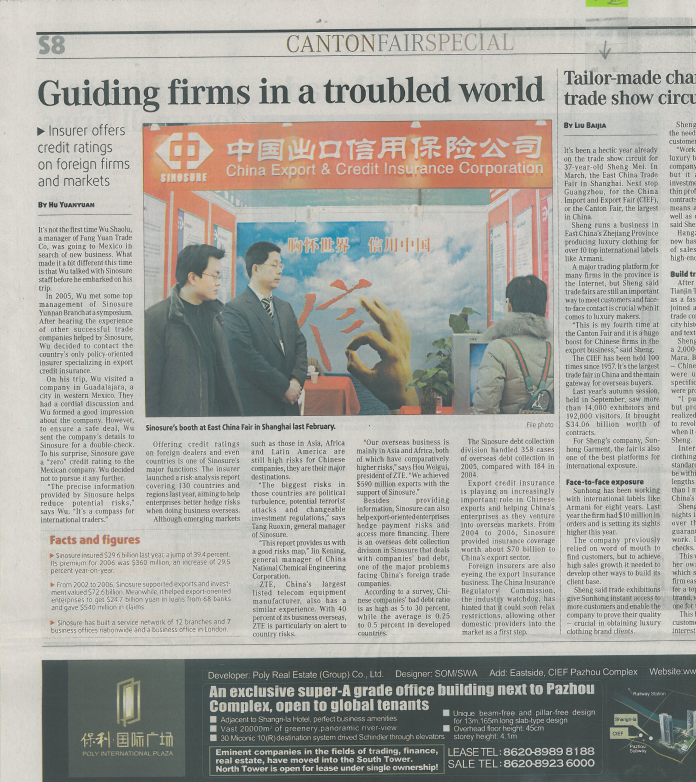 China Daily reported on our company 2022-08-22 192
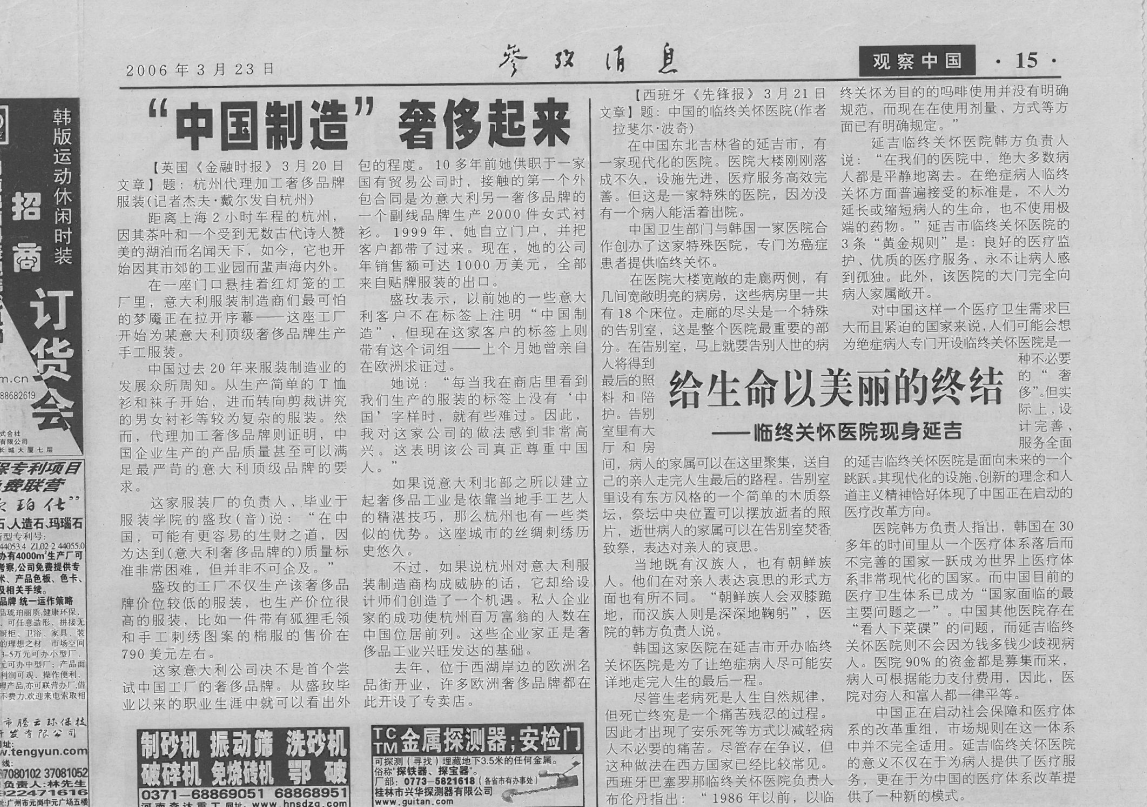 The newspaper with the largest circulation in China and the fifth in the world, "Reference News" reported on our company 2022-08-22 209
 Our company was recorded in <
>, as the only representative of high-end manufacturing of textile and garment in China 2022-06-24 200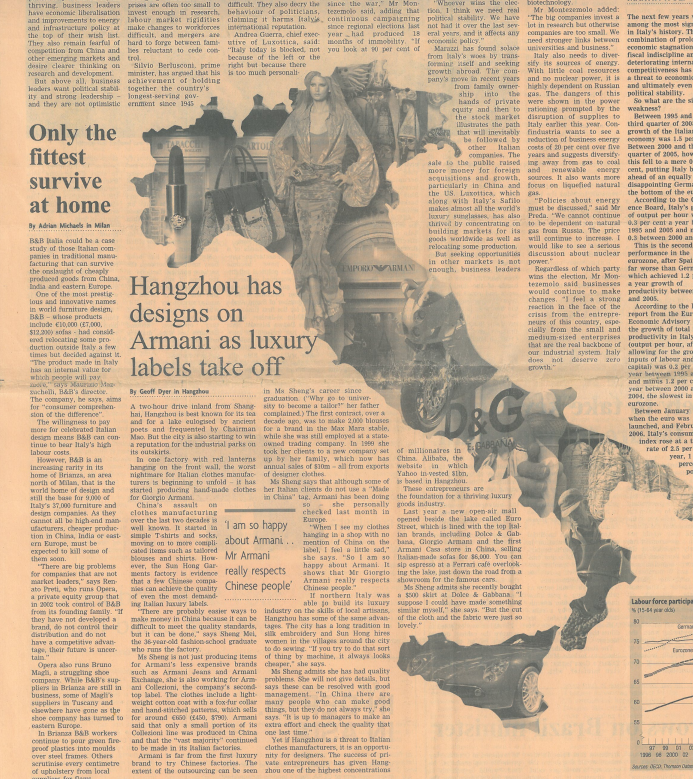 The world's most authoritative financial newspaper, the Financial Times, came to our company for a special report. 2022-06-24 203
